1. Product Overview
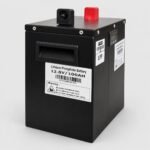
This 12.8V 100Ah lithium iron phosphate battery is a rechargeable energy-storage battery suitable for compatible solar, inverter, UPS and backup-power systems.
The battery has a nominal energy capacity of approximately 1,280Wh or 1.28kWh. The actual usable energy depends on the connected load, discharge current, operating temperature, protection settings and allowable depth of discharge.
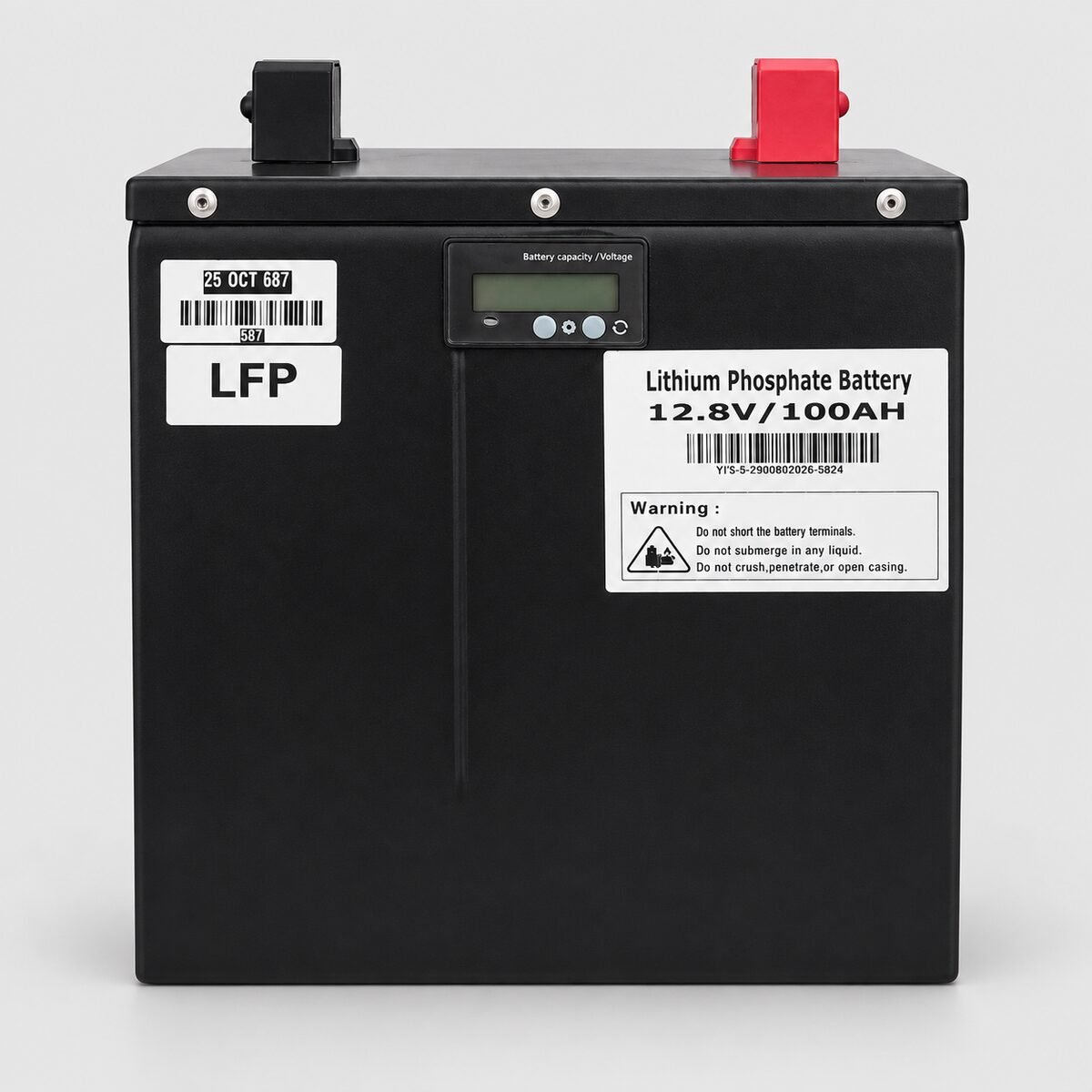
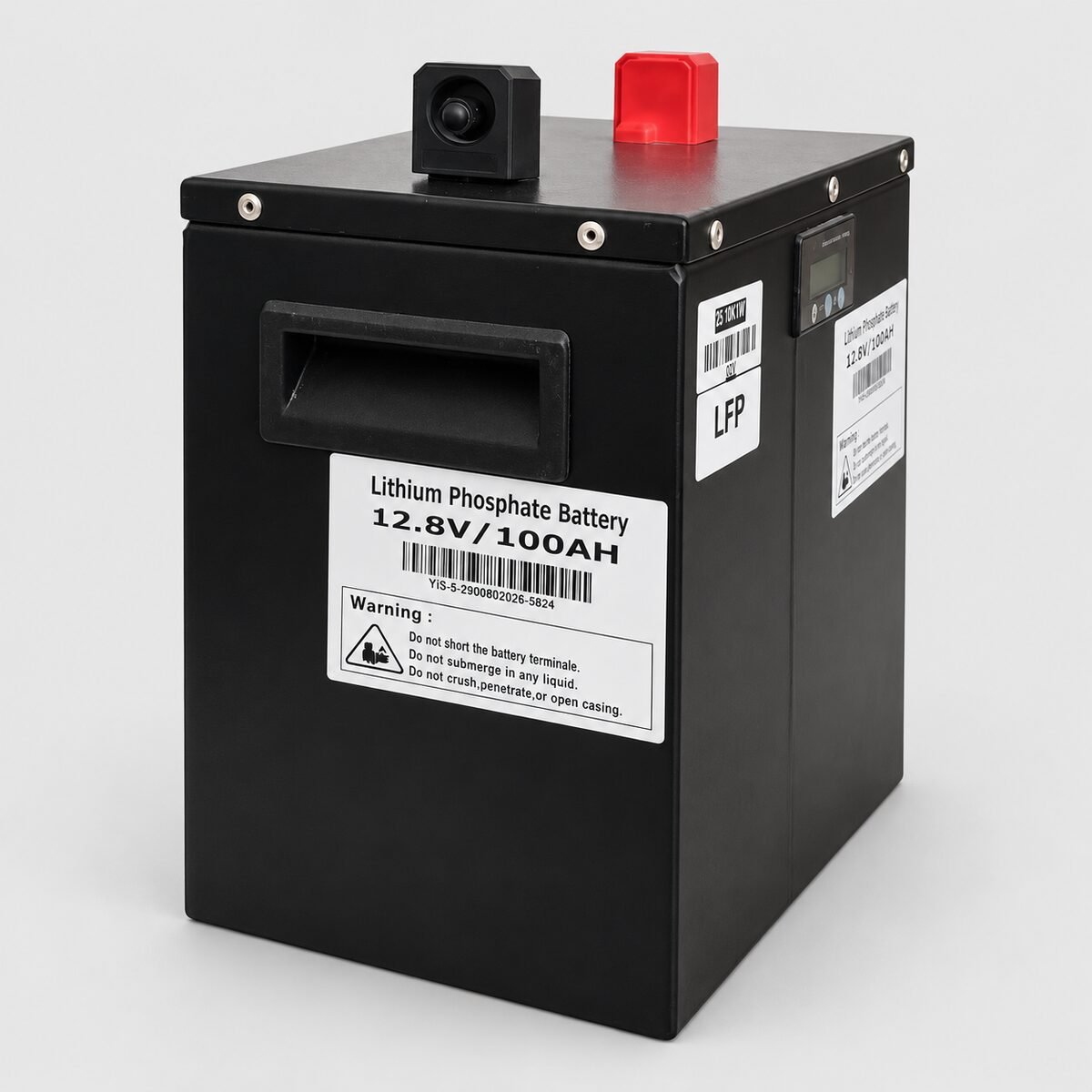
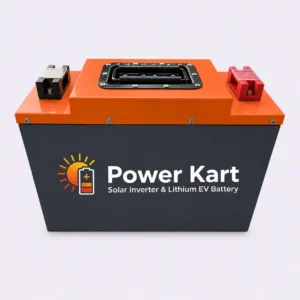
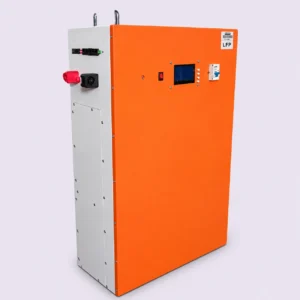
A built-in front display allows the user to check battery capacity and voltage without connecting an external meter. The positive and negative terminals are protected by coloured covers to reduce the risk of accidental contact.
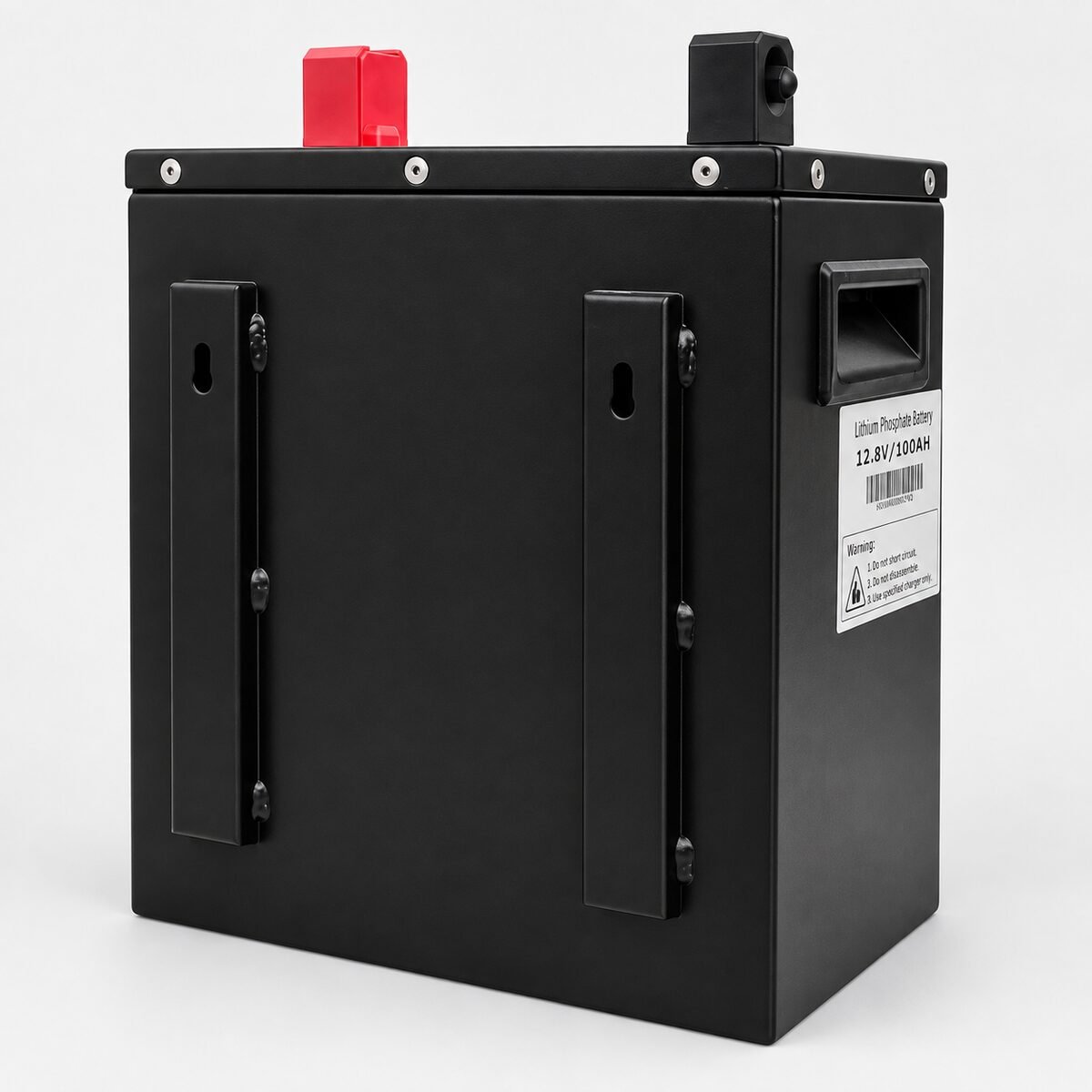
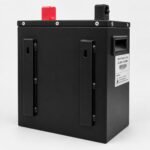
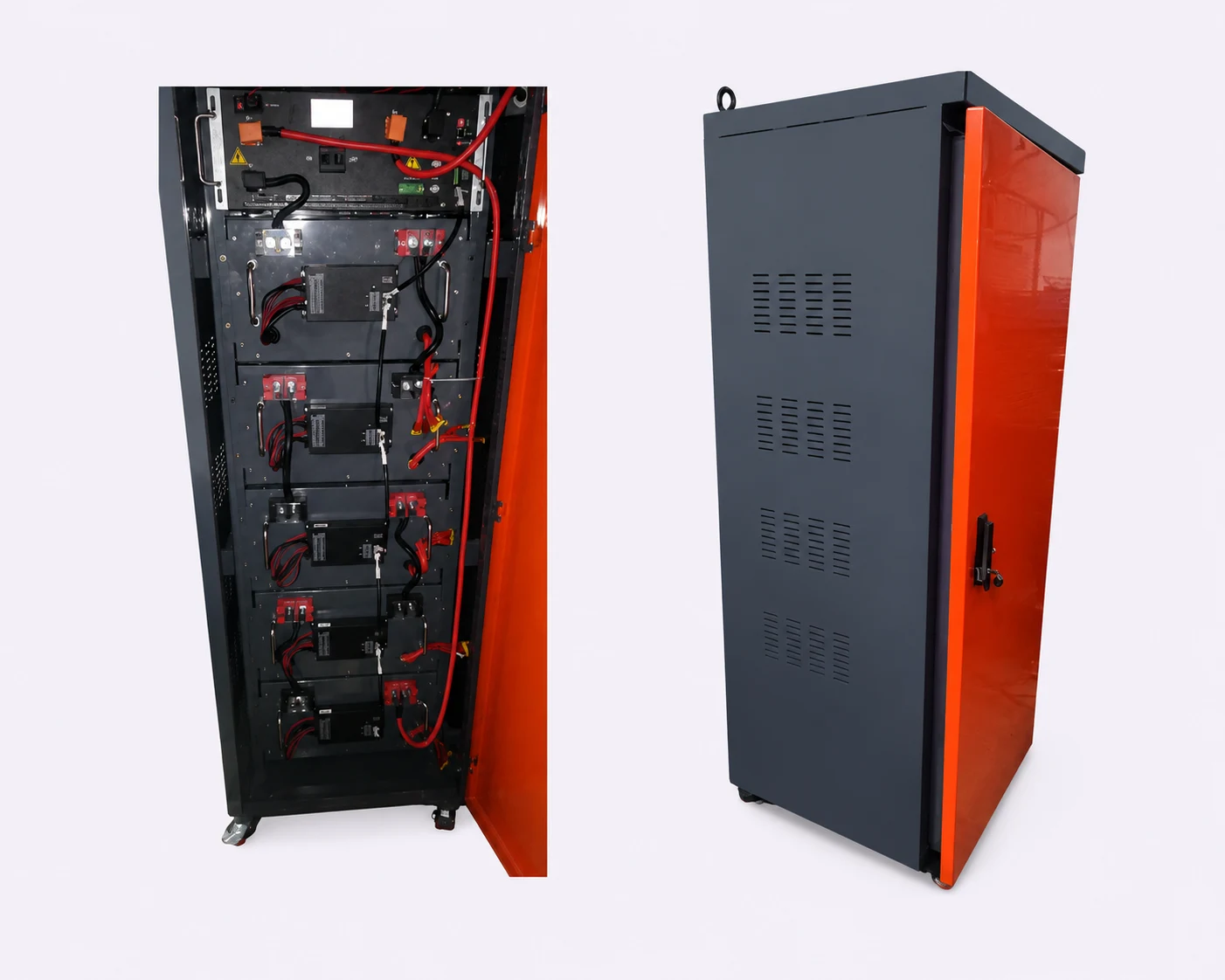
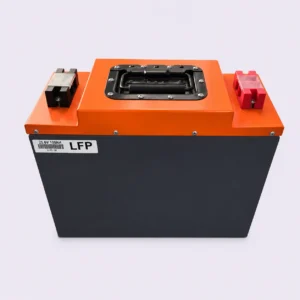
The rectangular enclosure provides physical protection for the internal cells and makes the battery suitable for stationary installations where a compact 12V-class lithium battery is required.
2. Technical Specifications
| Specification |
Details |
| Product type |
Rechargeable lithium battery |
| Battery chemistry |
Lithium iron phosphate/LiFePO4/LFP |
| Nominal voltage |
12.8V |
| Rated capacity |
100Ah |
| Nominal energy |
1,280Wh/1.28kWh |
| Cell configuration |
4S |
| Nominal cell voltage |
3.2V |
| Recommended full-charge voltage |
14.4V–14.6V |
| Recommended charger type |
4S LiFePO4 charger |
| Recommended low-voltage limit |
Depends on BMS and application |
| Battery display |
Capacity and voltage display |
| Positive-terminal cover |
Red |
| Negative-terminal cover |
Black |
| Enclosure colour |
Black |
| Internal BMS |
Expected in a completed battery; rating not specified |
| Maximum continuous discharge current |
Not specified |
| Maximum peak discharge current |
Not specified |
| Maximum charging current |
Not specified |
| Cycle life |
Not specified |
| Operating temperature |
Not specified |
| Charging temperature |
Not specified |
| Dimensions |
Not specified |
| Weight |
Not specified |
| Communication interface |
Not shown |
| Parallel connection support |
Must be confirmed before use |
| Series connection support |
Must be confirmed before use |
3. Visible Features
| Visible component |
Function |
| Red terminal cover |
Covers the positive battery terminal |
| Black terminal cover |
Covers the negative battery terminal |
| Digital display |
Displays battery capacity and voltage information |
| Display buttons |
Used to activate or operate the display |
| Front LFP label |
Identifies the battery chemistry |
| 12.8V/100Ah label |
Shows nominal voltage and rated capacity |
| Warning label |
Provides basic battery-handling precautions |
| Enclosed battery case |
Protects the cells, BMS and internal wiring |
| Top fasteners |
Secure the battery enclosure |
Always verify terminal polarity using a multimeter before connecting the battery. Do not rely only on terminal-cover colour.
4. Battery Capacity and Energy
The battery is rated at 12.8V and 100Ah.
Its nominal stored energy is calculated as:
12.8V × 100Ah = 1,280Wh
This is equal to approximately:
1.28kWh
Approximate operating time can be estimated using:
Operating time = Usable battery energy ÷ Load power
For example, a 500W load may theoretically operate for approximately:
1,280Wh ÷ 500W = 2.56 hours
Actual runtime will be lower because of inverter losses, BMS limits, cable losses, load variation, temperature and the selected depth of discharge.
5. Battery Protection
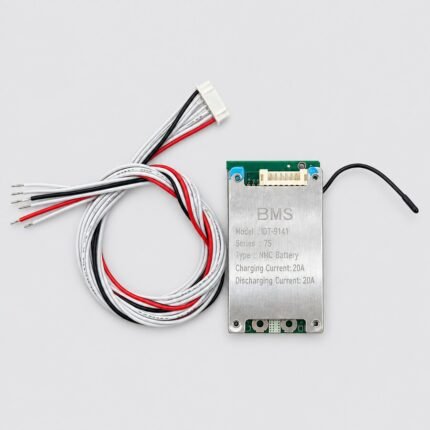
A completed LiFePO4 battery of this type normally includes an internal Battery Management System. However, the exact BMS specifications are not visible on the product label and must be confirmed before purchase or installation.
Depending on the installed BMS, protection may include:
- Cell overcharge protection
- Cell over-discharge protection
- Overcurrent protection
- Short-circuit protection
- Temperature protection
- Cell balancing
- Charge and discharge control
Do not assume the battery’s maximum current from its 100Ah capacity. The safe current depends on the internal BMS, cells, busbars, terminals and wiring.
6. Suitable Applications
This battery may be suitable for compatible 12V-class applications such as:
- Solar-energy storage systems
- Home inverter systems
- UPS backup systems
- Emergency power supplies
- Telecommunications backup
- CCTV backup systems
- Portable power systems
- Camping and outdoor power
- RV and caravan electrical systems
- Marine auxiliary power
- DC lighting systems
- DIY energy-storage projects
- Compatible mobility applications
- Replacement for selected lead-acid batteries
Confirm the required starting current, continuous current and peak current before using the battery with motors, pumps, compressors or high-power inverters.
7. Charger Compatibility
Use only a charger designed for a 4S LiFePO4 battery.
The charger should meet the following requirements:
- Battery chemistry: LiFePO4/LFP
- Nominal battery voltage: 12.8V
- Maximum charging voltage: Normally 14.4V–14.6V
- Charging current: Within the verified battery and BMS limit
- Charging method: Constant current/constant voltage
Do not use a charger designed only for lead-acid, NMC lithium-ion or other battery chemistry unless its voltage profile is fully compatible with this battery.
Do not use chargers with desulphation, equalisation or high-voltage pulse modes unless those functions can be disabled.
8. Inverter and Load Compatibility
Before connecting the battery to an inverter, confirm:
- The inverter supports a 12V or 12.8V LiFePO4 battery.
- The inverter’s low-voltage and charging settings are adjustable.
- The inverter’s maximum battery current is within the BMS limit.
- The surge current of the connected load does not exceed the battery’s verified peak-current capability.
- The cable size and fuse rating are suitable for the maximum expected current.
Approximate DC current can be calculated as:
Current = Load power ÷ Battery voltage
For example, a 1,000W load may draw approximately:
1,000W ÷ 12.8V = 78A
After allowing for inverter losses, the actual battery current may be higher. Confirm that the internal BMS and battery cells can safely supply this current before use.
9. Installation Guidance
- Place the battery upright on a stable and non-conductive surface.
- Keep the battery away from direct sunlight, water and excessive heat.
- Confirm positive and negative polarity with a multimeter.
- Connect the red-covered terminal to the system positive.
- Connect the black-covered terminal to the system negative.
- Use correctly sized cables and properly crimped cable lugs.
- Install a correctly rated DC fuse near the positive battery terminal.
- Tighten the terminal bolts securely without overtightening.
- Insulate exposed metal connections.
- Avoid loose connections that may generate heat.
- Keep sufficient clearance around the battery for ventilation.
- Do not place metal tools or loose conductive objects on top of the battery.
- Check the inverter and charger settings before switching on the system.
- Test the system at a low load before applying the full rated load.
10. Parallel and Series Connection
Do not connect multiple batteries in series or parallel unless the manufacturer confirms that the model supports the required arrangement.
Before connecting batteries in parallel:
- Use batteries of the same chemistry, voltage, capacity and age.
- Charge all batteries to closely matched voltages.
- Use equal-length cables of the same gauge.
- Fuse each battery separately.
- Confirm that the BMS allows parallel operation.
Before connecting batteries in series:
- Confirm that the internal BMS supports series operation.
- Use identical batteries at closely matched states of charge.
- Do not exceed the permitted total system voltage.
- Use a charger designed for the complete series configuration.
Incorrect series or parallel connection may damage the batteries or cause unequal current sharing.
11. Important Usage Note
The 100Ah capacity rating indicates how much charge the battery stores. It does not directly indicate the maximum current that can be drawn.
The safe current of the complete system is determined by the lowest-rated component among:
- Internal BMS
- Battery cells
- Internal busbars
- Battery terminals
- External cables
- Cable lugs
- Connectors
- Fuse
- Inverter or load
- Charger
Confirm the BMS current rating before using the battery with high-power inverters, motors, pumps or equipment with large starting currents.
12. Package Contents
- 1 × 12.8V 100Ah LiFePO4 battery with integrated display
Cables, charger, fuse and external connectors are not included unless specifically mentioned by the seller.
13. Safety Information
- Do not reverse the battery polarity.
- Do not short-circuit the battery terminals.
- Do not submerge the battery in water or any liquid.
- Do not crush, puncture, dismantle or open the enclosure.
- Do not expose the battery to fire or excessive heat.
- Use only a compatible LiFePO4 charger.
- Do not exceed the verified charging or discharging-current limit.
- Install a suitable DC fuse near the positive terminal.
- Stop using the battery if it becomes swollen, damaged, unusually hot or produces an abnormal smell.
- Keep the battery away from children and untrained persons.
- Installation should be performed by a person familiar with lithium-battery and high-current DC safety.