1. Product Overview
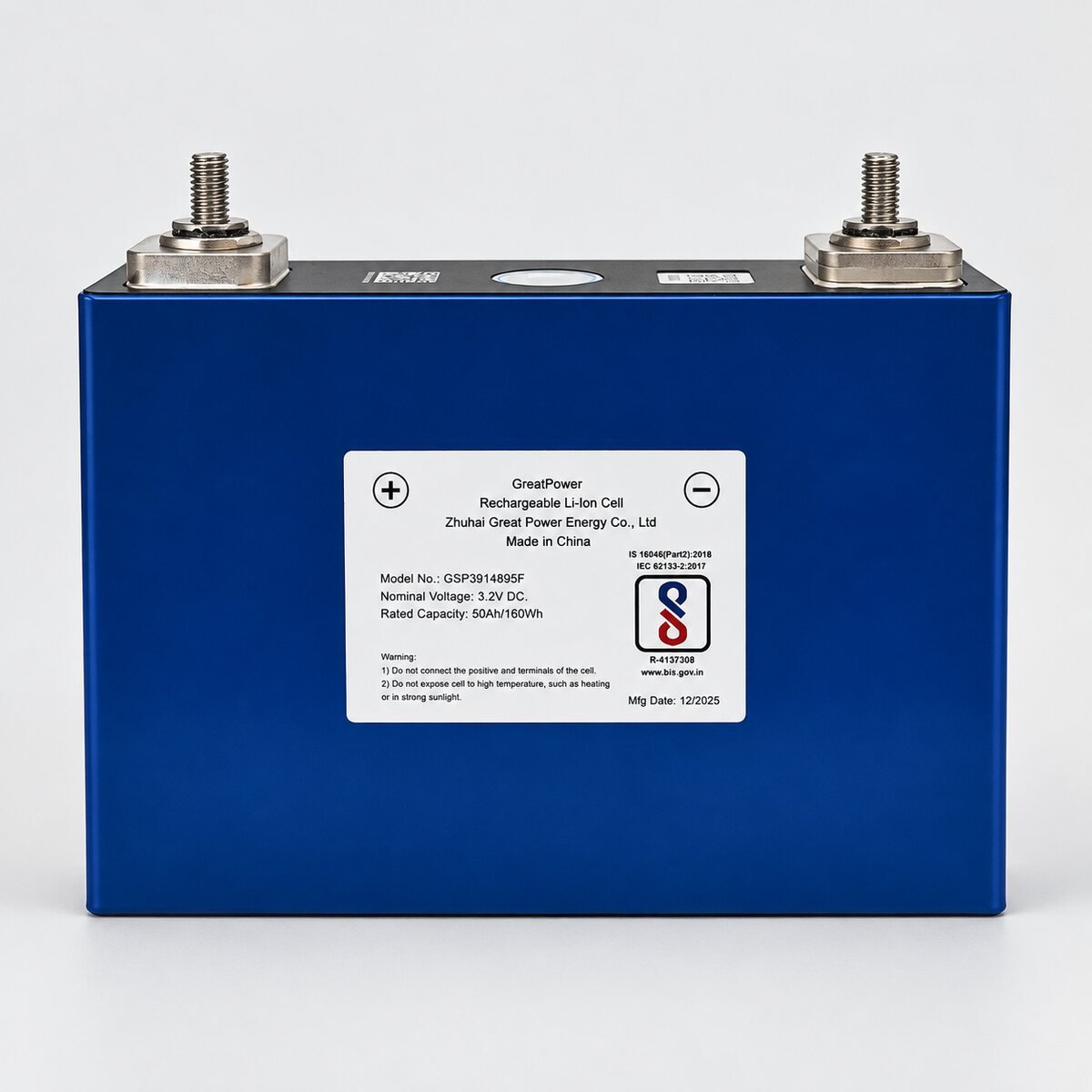
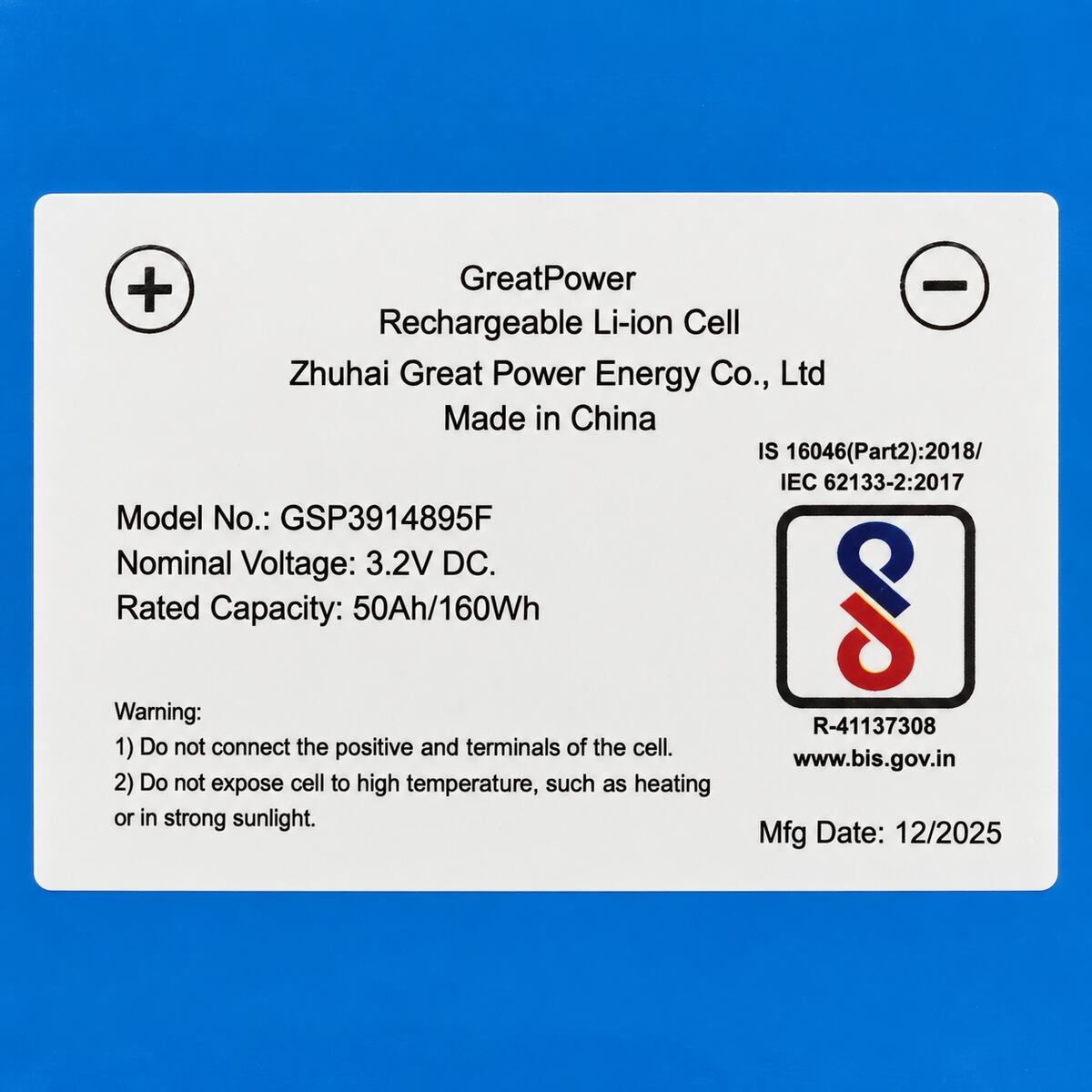
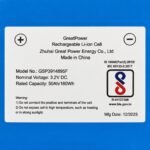
The GreatPower GSP3914895F is a high-capacity 3.2V 50Ah rechargeable prismatic lithium battery cell manufactured by Zhuhai Great Power Energy Co., Ltd.
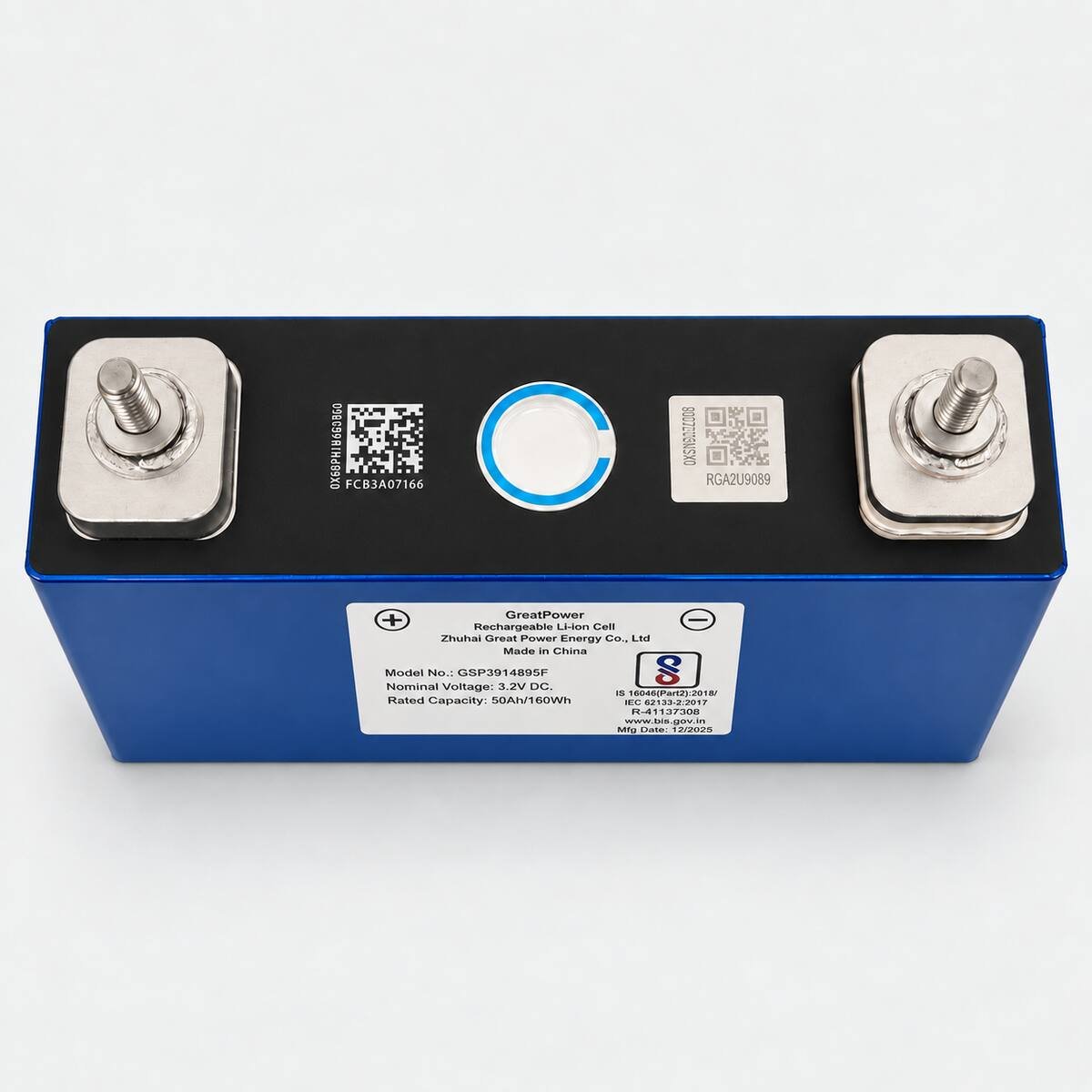
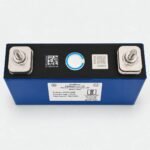
Each cell provides a rated energy of 160Wh and features threaded positive and negative terminals for secure busbar connections. Its rectangular prismatic construction makes it suitable for assembling space-efficient battery modules and custom energy-storage packs.
This cell may be used to create battery packs of different voltages by connecting multiple matched cells in series. A suitable BMS, busbars, insulation, cell holders or compression structure and protective enclosure must be selected separately.
2. Technical Specifications
| Specification |
Details |
| Brand |
GreatPower |
| Manufacturer |
Zhuhai Great Power Energy Co., Ltd. |
| Model |
GSP3914895F |
| Product type |
Rechargeable prismatic lithium battery cell |
| Nominal voltage |
3.2V DC |
| Rated capacity |
50Ah |
| Rated energy |
160Wh |
| Terminal type |
Threaded stud terminals |
| Positive terminal |
Marked “+” |
| Negative terminal |
Marked “−” |
| Cell casing |
Blue prismatic casing |
| Standard marking |
IS 16046 (Part 2):2018 |
| International standard marking |
IEC 62133-2:2017 |
| BIS registration number |
R-41137308 |
| Manufacturing date shown |
12/2025 |
| Maximum charging voltage |
Refer to manufacturer datasheet |
| Maximum discharge current |
Refer to manufacturer datasheet |
| Cycle life |
Refer to manufacturer datasheet |
| Internal resistance |
Not specified on the label |
| Cell dimensions |
Must be physically verified |
| Cell weight |
Not specified on the label |
3. Battery-Pack Configurations
Multiple matched cells can be connected in series to create higher-voltage battery packs.
| Configuration |
Number of Cells |
Nominal Voltage |
Total Energy |
| 1S |
1 |
3.2V |
160Wh |
| 4S |
4 |
12.8V |
640Wh |
| 8S |
8 |
25.6V |
1.28kWh |
| 16S |
16 |
51.2V |
2.56kWh |
| 24S |
24 |
76.8V |
3.84kWh |
The capacity remains 50Ah when identical cells are connected only in series. Connecting cells in parallel increases the total capacity.
4. Key Features
- High 50Ah rated capacity
- 160Wh energy per cell
- Compact prismatic construction
- Threaded terminals for secure busbar installation
- Clearly marked positive and negative polarity
- Suitable for modular battery-pack construction
- Can be used in series and parallel configurations
- BIS registration marking visible on the product
- Suitable for stationary and mobile battery applications when correctly engineered
- Compatible with an appropriately selected lithium-battery BMS
5. Suitable Applications
The GreatPower 3.2V 50Ah prismatic cell may be used in compatible systems such as:
- Solar energy-storage batteries
- Home inverter battery packs
- UPS and emergency backup systems
- Electric scooters and light EV projects
- Electric carts and utility vehicles
- Portable power stations
- Telecom backup systems
- Industrial battery modules
- Robotics and automation projects
- DIY battery-pack development
- Custom 12.8V, 25.6V, 51.2V and 76.8V battery systems
Suitability depends on the required operating current, peak current, charging profile, temperature range and mechanical design of the complete battery pack.
6. BMS and Charger Compatibility
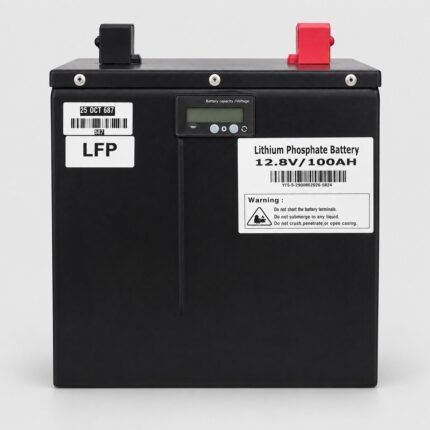
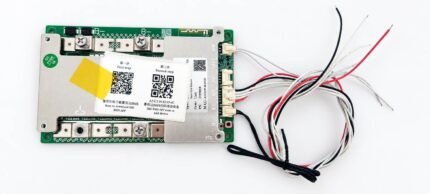
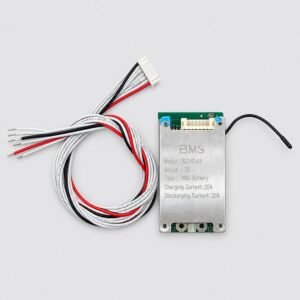
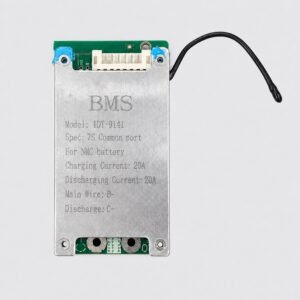
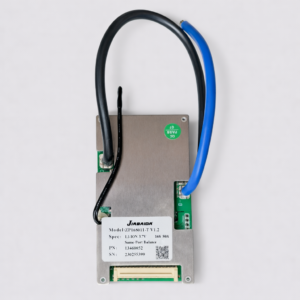
A compatible BMS must be used to monitor and protect the completed battery pack.
The BMS should match:
- The exact number of cells connected in series
- The cell chemistry and charging-voltage requirements
- The continuous discharge current of the load
- The maximum charging current
- The required overcharge and over-discharge limits
- The expected peak-current demand
- Any temperature-sensor or communication requirements
Use only a charger designed for the final battery-pack voltage and cell chemistry. Confirm the correct maximum charging voltage from the manufacturer’s datasheet before charging.
7. Installation Guidance
- Check the voltage of every cell before assembly.
- Use cells of the same model, capacity, age and similar state of charge.
- Top-balance or match the cells according to the battery designer’s procedure.
- Confirm the positive and negative terminals before connecting busbars.
- Use properly rated copper or aluminium busbars.
- Tighten terminal hardware to the manufacturer’s recommended torque.
- Avoid excessive terminal pressure, loose connections and overtightening.
- Use suitable insulation between cells, busbars and the enclosure.
- Install an appropriately rated BMS and fuse.
- Mount the cells securely to prevent movement and vibration.
- Use a suitable cell fixture or compression structure if required by the manufacturer.
- Keep adequate clearance between exposed terminals and conductive surfaces.
- Verify every series-group voltage before connecting the BMS.
- Test the completed battery pack at low current before full-load operation.
8. Important Usage Note
The 50Ah capacity rating does not by itself specify the safe charging or discharge current of the cell.
The current capability of the completed battery pack must be based on the lowest rating among:
- Battery cells
- BMS
- Busbars
- Interconnecting hardware
- Fuse
- Output cables
- Connectors
- Charger
- Connected equipment
Do not select the BMS or cable size only from the battery capacity. Confirm the cell’s continuous and peak-current ratings from an official manufacturer datasheet before designing the pack.
9. Safety Information
- Do not reverse the positive and negative terminals.
- Do not short-circuit the cell.
- Do not expose the cell to fire, excessive heat or direct sunlight.
- Do not crush, puncture, bend, drop or open the cell casing.
- Do not use a swollen, leaking, corroded or physically damaged cell.
- Do not mix cells of different models, capacities, voltages or usage histories.
- Do not solder directly onto the terminals unless specifically permitted.
- Prevent tools and loose metal objects from contacting both terminals.
- Use insulated tools when assembling the battery pack.
- Always install a compatible BMS and correctly rated fuse.
- Keep the cell away from water and conductive contamination.
- Installation should be performed by a person experienced with lithium-battery systems.