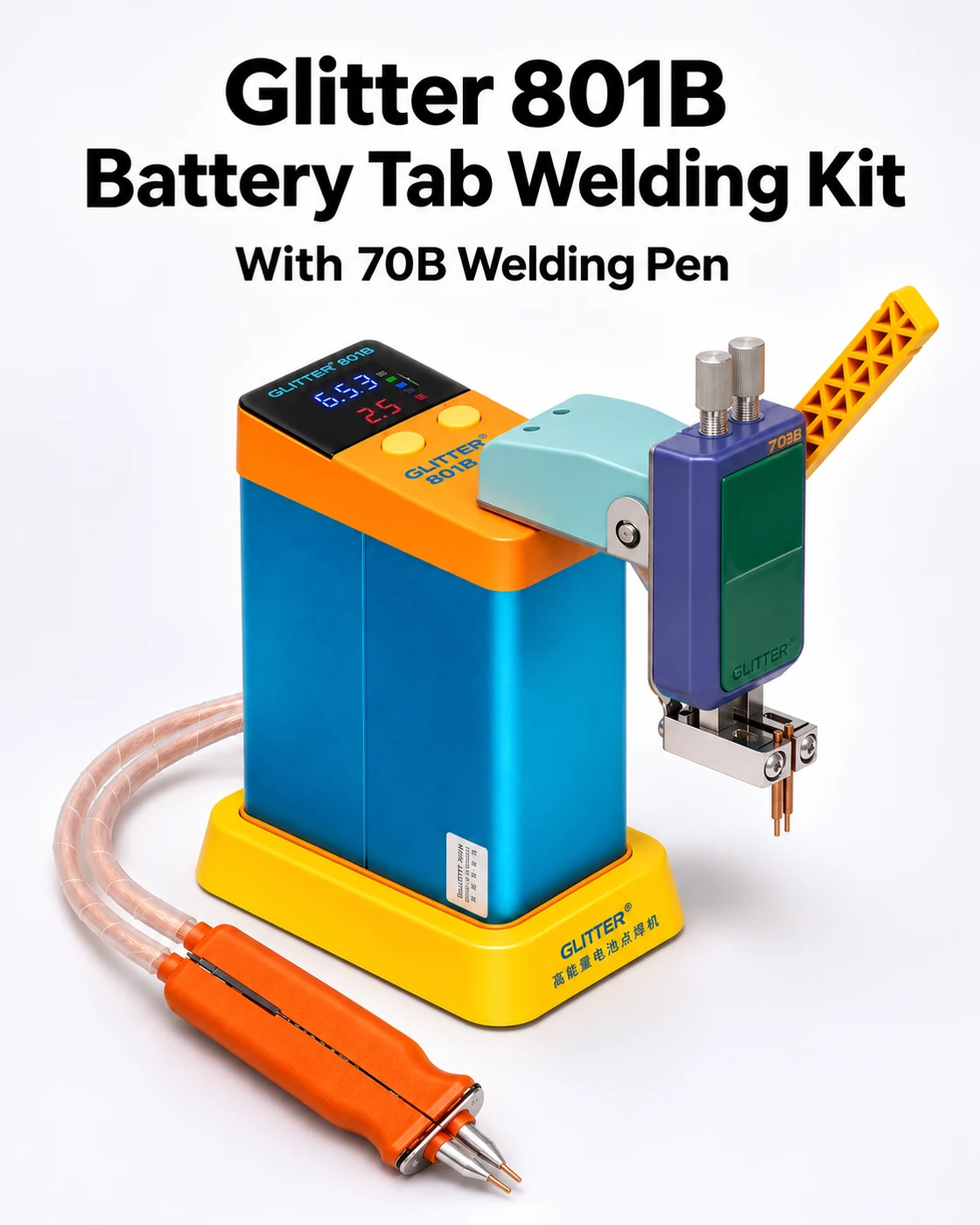
The GLITTER 801B battery spot welding machine is designed for reliable spot welding during lithium-ion and LiFePO4 battery-pack assembly.
Unlike conventional transformer-based AC spot welders, the 801B stores energy in internal capacitors and releases this energy as a short, high-current welding pulse.
This helps provide controlled welding energy while reducing the continuous electrical load placed on the AC supply.
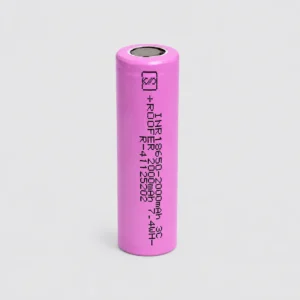
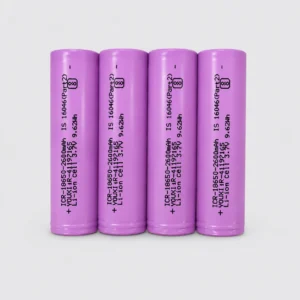
The machine is particularly useful for battery builders working with cylindrical cells such as 18650, 21700, 26650, 32700 and similar battery formats, where nickel or nickel-plated strips need to be securely welded to the cell terminals.
Capacitor Energy Storage Welding Technology
The GLITTER 801B uses capacitor energy-storage pulse welding technology.
Electrical energy is first stored internally and is then released during welding as a short-duration, high-current pulse.
Benefits of Capacitor Pulse Welding
- Short welding pulse
- Concentrated welding energy
- Reduced continuous mains loading
- Good repeatability after correct adjustment
- Suitable for lithium battery tab welding
- Reduced unnecessary heating compared with long-duration welding
- Adjustable output for different strip thicknesses
The welding level should always be tested on sample material before welding production battery cells.
119J Maximum Welding Energy
The GLITTER 801B is specified with a maximum welding energy of:
119 Joules
Its peak pulse power is specified at approximately:
11.6kW
These figures describe the short-duration welding pulse capability and should not be confused with continuous electrical power consumption.
The machine stores energy first and releases it rapidly during the weld.
0–99T Adjustable Welding Level
The welding energy can be adjusted through a 0–99T setting range.
This allows the operator to select different welding strengths depending on factors such as:
- Nickel-strip thickness
- Pure nickel vs nickel-plated material
- Battery terminal construction
- Welding-tip pressure
- Electrode condition
- Cell type
- Required weld strength
Start with a lower setting and gradually increase the welding level until a strong weld is obtained without excessive heating or damage to the battery terminal.
Nickel & Pure Nickel Welding Capability
Published specifications for the GLITTER 801B indicate welding capability up to approximately:
| Material |
Recommended Maximum Published Thickness |
| Nickel-plated steel strip |
Up to approx. 0.30 mm |
| Pure nickel strip |
Up to approx. 0.20 mm |
Actual welding performance can vary depending on:
- Strip material
- Strip width
- Welding-tip condition
- Tip pressure
- Welding setting
- Electrode spacing
- Surface cleanliness
- Battery terminal construction
Always test the weld before production use.
70B Mobile Welding Pen
This kit includes the 70B mobile welding pen.
The handheld pen allows the user to position the welding electrodes directly over the required welding point.
Benefits
- Easier access to assembled battery packs
- Useful for battery repair
- Suitable for custom pack layouts
- Allows manual positioning of welding points
- Useful when cells cannot easily be placed under a fixed welding head
The welding tips should be kept clean and correctly aligned for consistent weld quality.
AT & MT Welding Modes
The GLITTER 801B supports:
AT – Automatic Trigger Mode
The welding pulse is automatically triggered when the required contact conditions are detected.
This can be useful for repetitive battery-pack production.
MT – Manual Trigger Mode
The welding pulse can be manually triggered using the supported control method, such as a foot pedal depending on the supplied kit configuration.
Manual triggering can provide more control during:
- Prototype battery assembly
- Battery repair
- Parameter testing
- Irregular battery-pack layouts
Digital Display
The built-in digital display provides operating information and helps the operator adjust the welding parameters.
Depending on operating mode, the display can indicate information such as:
- Welding energy level
- Capacitor voltage
- Welding-current information
- Operating status
The two adjustment buttons make welding-power selection straightforward.
Power Supply & Charging
The GLITTER 801B uses an external power adapter.
Typical Electrical Specifications
| Parameter |
Specification |
| Adapter Input |
AC 100–240V, 50/60Hz |
| Adapter Output |
Approx. 15V DC |
| Machine Input |
Approx. 15V DC |
| Welding Output Voltage |
Approx. 5–5.8V |
| Initial Charging Time |
Approx. 20–30 minutes |
| Peak Welding Power |
11.6kW |
| Maximum Welding Energy |
119J |
The high welding power is produced as a short pulse from stored capacitor energy and is not equivalent to continuous 11.6kW mains consumption.
Suitable Battery Cells
The GLITTER 801B can be used during assembly and repair of compatible cylindrical battery packs including:
- 18650 lithium-ion cells
- 21700 lithium-ion cells
- 26650 cells
- 32700 LiFePO4 cells
- Other cylindrical lithium cells
- Custom lithium battery packs
The welding machine does not determine battery chemistry; it is used to weld suitable connecting strips to compatible battery terminals.
Suitable Welding Applications
The machine may be used for:
- Lithium battery-pack manufacturing
- Electric scooter battery repair
- EV battery-pack assembly
- Solar battery assembly
- Inverter battery manufacturing
- Power-tool battery rebuilding
- UPS lithium battery assembly
- Custom battery projects
- Nickel-strip tab welding
- Battery repair workshops
- Battery R&D and prototyping
It may also be used for compatible small metal spot-welding applications where the material and thickness fall within the machine’s capability.
Pure Nickel vs Nickel-Plated Strip
Battery builders commonly use either pure nickel or nickel-plated steel.
Nickel-Plated Steel
Generally has lower electrical conductivity than pure nickel but can be easier to weld.
Pure Nickel
Provides better electrical conductivity and corrosion resistance but generally requires more welding energy for the same thickness.
For high-current lithium battery packs, strip material and thickness should be selected according to the required current rather than only according to how easily it can be welded.
Welding Quality Check
After setting the machine, test the weld on sample material.
A good battery spot weld should:
- Hold the strip securely
- Show clearly defined weld points
- Not burn through the strip
- Not excessively heat the battery terminal
- Resist moderate peeling force
- Tear or deform the strip around the weld during a proper destructive test rather than separating too easily at the weld points
Avoid repeatedly welding the same location on a battery cell because excessive local heating can damage the cell.
Technical Specifications
| Specification |
Details |
| Brand |
GLITTER |
| Model |
801B |
| Product Type |
Capacitor Energy Storage Spot Welder |
| Maximum Welding Energy |
119J |
| Peak Welding Power |
Approx. 11.6kW |
| Energy Adjustment |
0–99T |
| Welding Output Voltage |
Approx. 5–5.8V |
| Trigger Mode |
AT / MT |
| Welding Pen |
70B |
| Nickel-Plated Strip Capability |
Up to approx. 0.30 mm |
| Pure Nickel Capability |
Up to approx. 0.20 mm |
| Adapter Input |
AC 100–240V, 50/60Hz |
| Machine Input |
Approx. 15V DC |
| Initial Charging Time |
Approx. 20–30 min |
| Display |
Digital |
| Welding Technology |
Capacitor Energy Storage Pulse |
| Application |
Battery Tab / Nickel Strip Spot Welding |
Compatibility Check Before Ordering
Before purchasing, check:
- Required strip material
- Strip thickness
- Battery cell type
- Required welding method
- Availability of 70B welding pen
- Required AT / MT triggering mode
- Input power compatibility
- Required battery-production volume
- Welding-tip requirements
- Accessories supplied with the selected kit
Package contents can differ between suppliers, so confirm the exact accessories supplied before ordering.
Safety Instructions
- Wear suitable eye protection while welding.
- Keep the welding area free from flammable materials.
- Never weld damaged, leaking or swollen lithium cells.
- Do not hold the welding pulse on the battery for longer than necessary.
- Allow cells to cool if repeated welding causes noticeable heating.
- Ensure welding tips are clean and properly tightened.
- Never short the welding electrodes across a battery.
- Do not touch exposed conductive parts during operation.
- Use the correct welding setting for the strip thickness.
- Disconnect the power supply before servicing the machine.
- Keep the machine dry and away from conductive dust.
- Battery welding should be carried out by someone familiar with lithium-cell safety.
Warranty
Warranty is subject to applicable seller or manufacturer terms.
Damage caused by misuse, incorrect power supply, physical damage, unauthorized repair, incorrect welding setup or improper operation may not be covered.
Package Includes
Typical GLITTER 801B with 70B Welding Pen package may include:
- 1 × GLITTER 801B Battery Spot Welder
- 1 × 70B Mobile Welding Pen
- Power adapter
- Welding electrodes / tips
- Supporting accessories supplied with the selected kit
Exact package contents should be checked at the time of purchase, as different 801B kit configurations may include different accessories.
FAQs
1. What thickness of nickel strip can the GLITTER 801B spot welder weld?
The GLITTER 801B can weld approximately 0.05–0.30 mm nickel-plated steel strip and up to about 0.20 mm pure nickel strip when correctly adjusted. Actual results depend on strip material, electrode condition, pressure and welding settings.
2. Is the GLITTER 801B suitable for 18650 and 21700 battery pack welding?
Yes. The 801B is designed for lithium battery pack assembly and repair and can be used with common cylindrical cells such as 18650, 21700 and similar battery formats when suitable nickel strip and welding settings are used.
3. What is the difference between AT and MT mode on the GLITTER 801B?
AT mode automatically triggers the welding pulse after the welding electrodes make proper contact. MT mode uses manual triggering, typically with a foot pedal, and is useful when adjusting parameters or when more control over the weld timing is required
4. What is the maximum welding power of the GLITTER 801B?
The GLITTER 801B provides up to 119J welding energy and approximately 11.6kW peak pulse power. This is short-duration welding pulse power from the capacitor system, not continuous AC mains consumption.
5. How long does the GLITTER 801B take to charge before welding?
For initial use, the internal capacitor system typically requires about 20–30 minutes to reach approximately 5.2–5.8V. Published charging-time tables commonly specify around 30 minutes for the 801B