1. Product Overview
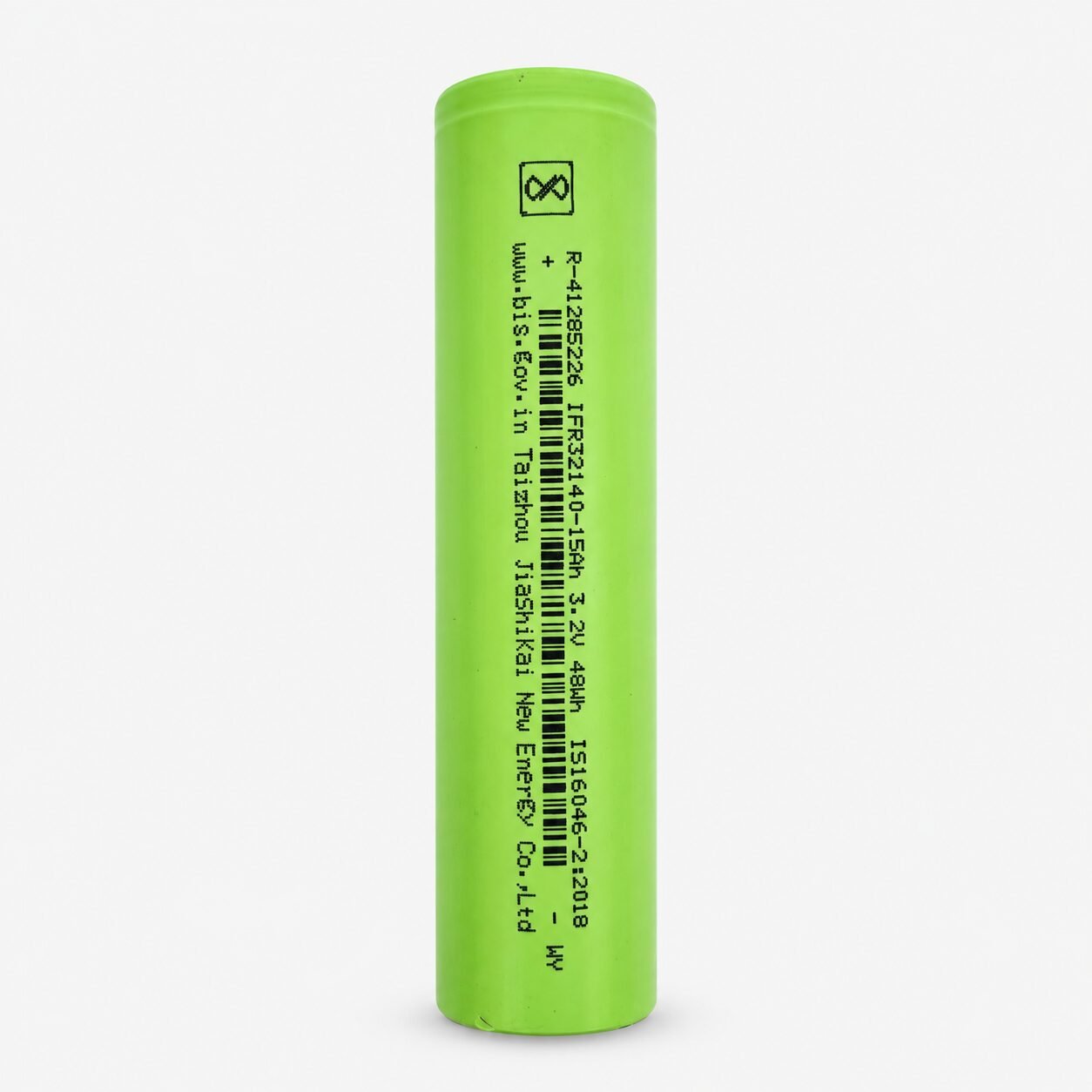
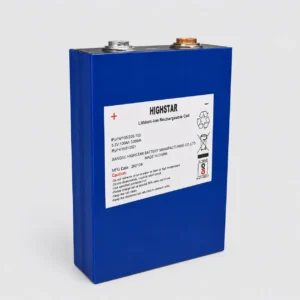
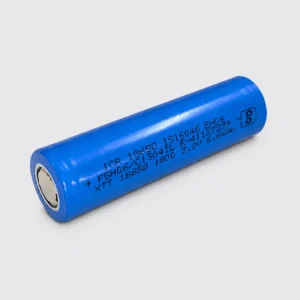
The IFR32140 is a high-capacity cylindrical lithium iron phosphate battery cell with a nominal voltage of 3.2V and a rated capacity of 15Ah.
Each cell stores approximately 48Wh of energy. Its large 32140 cylindrical format makes it suitable for building rechargeable battery packs that require more capacity per cell than smaller 18650, 21700 or 32700 cells.
LiFePO₄ chemistry is commonly selected for energy-storage and mobility applications because of its stable chemistry, long service potential and suitability for repeated charge-and-discharge cycles.
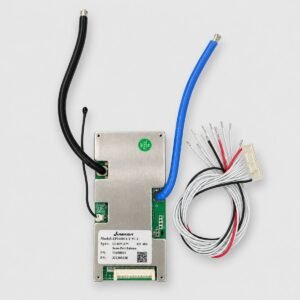
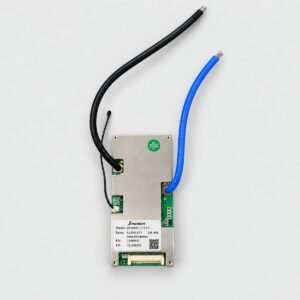
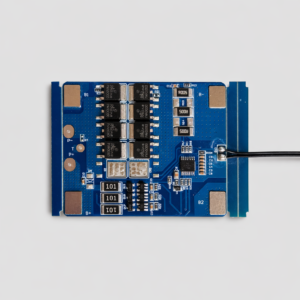
This listing is for an individual cell only. A complete battery pack requires a compatible BMS, properly rated interconnections, insulation, mechanical support, a suitable enclosure and a LiFePO₄ charger.
2. Technical Specifications
| Specification |
Details |
| Product type |
Rechargeable cylindrical battery cell |
| Model marking |
IFR32140-15Ah |
| Cell chemistry |
Lithium iron phosphate — LiFePO₄ |
| Nominal voltage |
3.2V |
| Rated capacity |
15Ah |
| Rated energy |
48Wh |
| Cell format |
32140 |
| Approximate diameter |
32mm |
| Approximate length |
140mm |
| Maximum charging voltage |
Normally 3.65V; verify exact datasheet |
| Recommended lower voltage |
Verify exact manufacturer specification |
| Continuous discharge current |
Not confirmed |
| Maximum pulse current |
Not confirmed |
| Standard marked on cell |
IS 16046 (Part 2): 2018 |
| BIS registration marking |
R-41285226 |
| Manufacturer marking |
Taiwan Jiashikai New Energy Co., Ltd. |
| Cell balancing |
Requires an external BMS |
| Protection circuit |
Not integrated unless separately specified |
| Tabs or connecting hardware |
Not shown; verify supplied configuration |
| Package contents |
One cylindrical cell, unless otherwise stated |
The model, capacity, voltage and energy values above are based on the markings visible on the supplied product.
3. Cell Format and Identification
The “32140” model designation normally refers to the cell’s approximate physical format:
| Marking |
Approximate meaning |
| 32 |
Approximately 32mm cell diameter |
| 140 |
Approximately 140mm cell length |
| IFR |
Lithium iron phosphate rechargeable-cell chemistry |
| 15Ah |
Advertised rated capacity |
| 3.2V |
Nominal cell voltage |
| 48Wh |
Rated stored energy |
Actual dimensions may vary slightly because of the terminal structure, insulating sleeve and manufacturing tolerance. Measure the cell before designing holders, busbars or enclosures.
4. Example Battery-Pack Configurations
These cells can be connected in series and parallel to create compatible LiFePO₄ battery packs.
| Configuration |
Nominal voltage |
Capacity |
Energy |
| 1S1P |
3.2V |
15Ah |
48Wh |
| 4S1P |
12.8V |
15Ah |
192Wh |
| 4S2P |
12.8V |
30Ah |
384Wh |
| 8S1P |
25.6V |
15Ah |
384Wh |
| 8S2P |
25.6V |
30Ah |
768Wh |
| 16S1P |
51.2V |
15Ah |
768Wh |
| 16S2P |
51.2V |
30Ah |
1.536kWh |
The final usable capacity and energy will depend on cell matching, BMS settings, discharge current, temperature, wiring losses and the permitted operating-voltage range.
5. Suitable Applications
The IFR32140 15Ah cell may be suitable for compatible battery packs used in:
- Solar-energy storage systems
- Inverter and UPS batteries
- Portable power stations
- Electric scooters
- E-rickshaws and mobility equipment
- Robotics and automated equipment
- Marine and recreational battery systems
- Emergency backup-power systems
- DIY 12.8V, 25.6V and 51.2V LiFePO₄ battery packs
- Battery repair and replacement projects
- Industrial rechargeable battery systems
Suitability for a particular application depends on the cell’s verified continuous-current and peak-current ratings.
6. Charging and BMS Compatibility
Use this cell only with charging and protection equipment designed specifically for LiFePO₄ chemistry.
- Use a LiFePO₄-compatible charger.
- A single LiFePO₄ cell is normally charged to a maximum of 3.65V.
- Use a BMS matching the exact number of series-connected cells.
- A 4S pack normally requires a 14.6V LiFePO₄ charger.
- An 8S pack normally requires a 29.2V LiFePO₄ charger.
- A 16S pack normally requires a 58.4V LiFePO₄ charger.
- Select the BMS according to the battery configuration and required current.
- Confirm that the BMS balancing function is suitable for the selected cells.
- Do not use a BMS intended exclusively for 3.6V or 3.7V lithium-ion cells.
- Confirm all charging and discharging limits from the exact cell datasheet before finalising the pack design.
7. Battery-Pack Assembly Guidance
- Check the voltage of every cell before assembly.
- Use cells of the same model, capacity, age and condition in one battery pack.
- Capacity-test and internal-resistance-match the cells before connecting them.
- Bring all cells to closely matched voltages before series assembly.
- Confirm the positive and negative terminals before making connections.
- Use correctly sized busbars, nickel strips or other interconnects.
- Avoid soldering directly to the cell unless the manufacturer specifically permits it.
- Use a suitable welding or mechanical-connection method.
- Install insulating rings and fish-paper barriers where required.
- Prevent busbars and terminals from contacting the metal cell casing.
- Secure the cells with suitable holders or compression supports.
- Protect the pack against vibration, moisture and conductive contamination.
- Install an appropriately rated fuse close to the battery-pack positive terminal.
- Fit a compatible LiFePO₄ BMS before charging or using the completed pack.
8. Important Current-Rating Note
The 15Ah capacity indicates how much charge the cell can store. It does not establish the cell’s safe continuous or peak discharge current.
The safe current of a completed battery pack is determined by the lowest-rated component, including:
- Battery cells
- BMS
- Busbars or nickel strips
- Power cables
- Connectors
- Fuse
- Charger
- Connected load
Do not calculate the allowable current from capacity alone. Confirm the exact continuous-discharge, pulse-discharge and charging-current ratings from the manufacturer’s datasheet before using the cell with motors, inverters or other high-current equipment.
9. Safety Information
- Do not short-circuit the cell terminals.
- Do not reverse the cell polarity.
- Do not puncture, crush, open or mechanically damage the cell.
- Do not expose the cell to fire, excessive heat or direct high-temperature sources.
- Do not charge above the verified maximum voltage.
- Do not discharge below the verified minimum voltage.
- Do not use a damaged, swollen, leaking, rusted or unusually hot cell.
- Do not mix this cell with cells of another model, chemistry, capacity or condition.
- Keep the insulating sleeve intact.
- Do not transport loose cells together with metal objects.
- Store cells in a cool, dry and electrically insulated location.
- Use a compatible BMS and fuse in every assembled battery pack.
- Battery-pack assembly should be performed by someone familiar with lithium-battery wiring, insulation and safety.