1. Product Overview
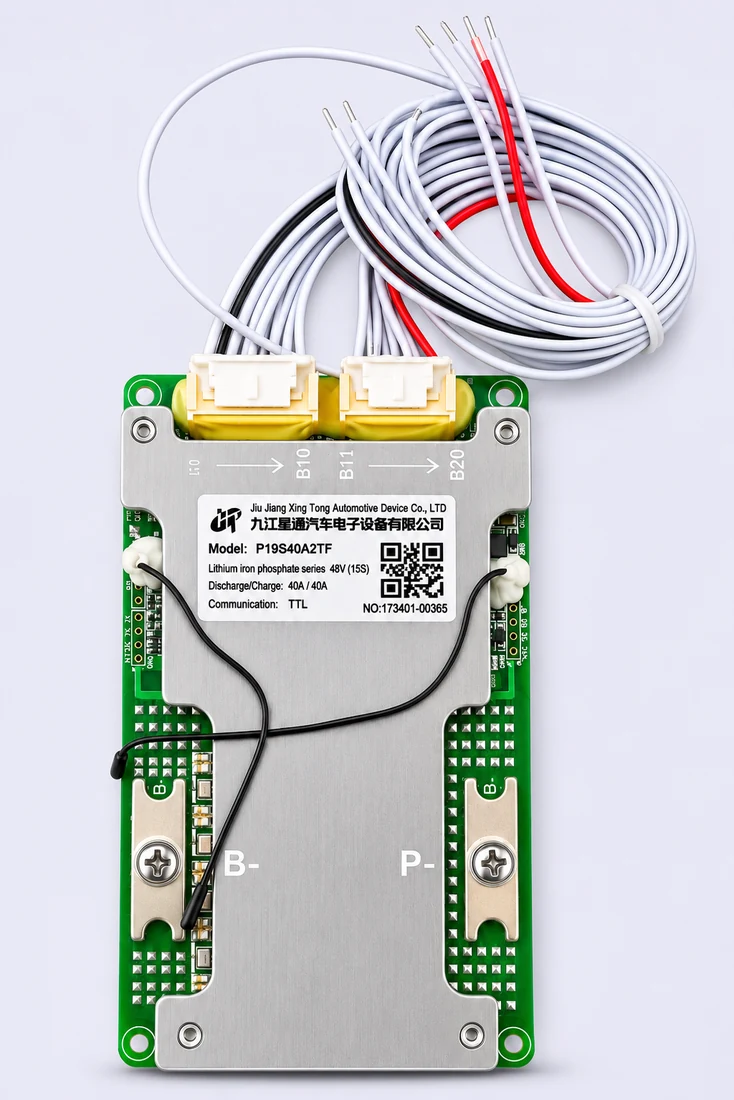
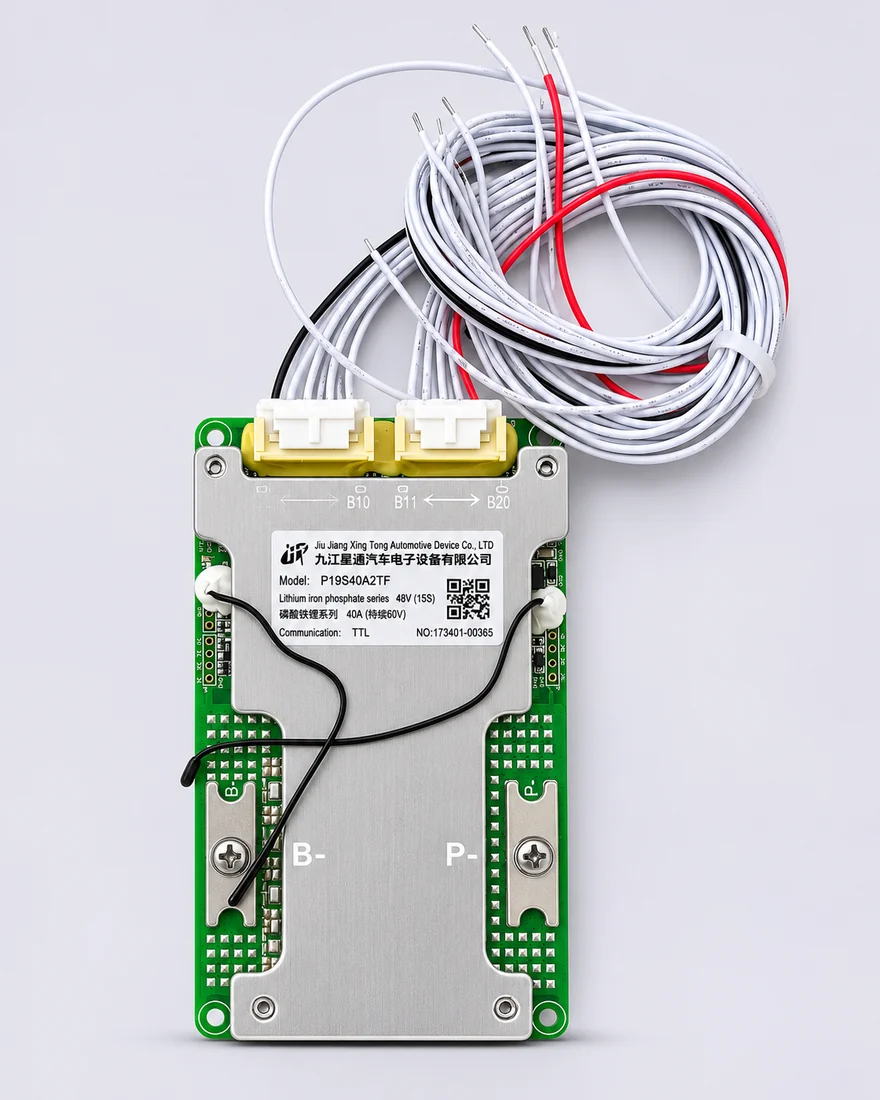
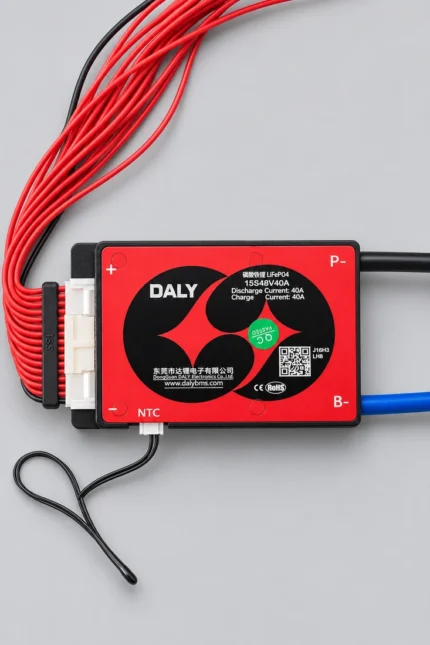
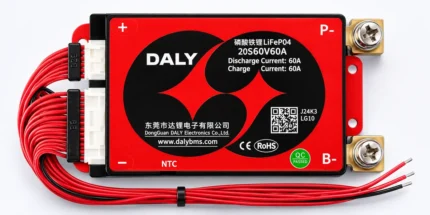
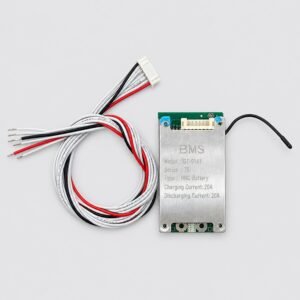
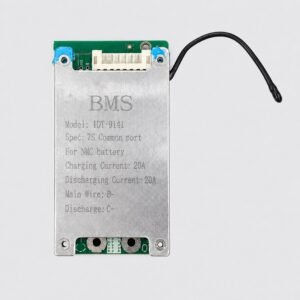
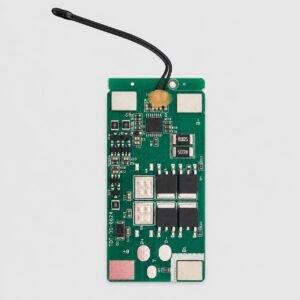
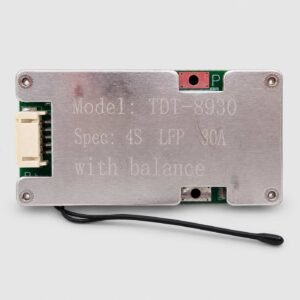
The P19S40A2TF 19S 40A BMS is a Battery Management System designed for 19-series LiFePO₄ battery packs.
The actual unit is marked:
- Model: P19S40A2TF
- Battery Chemistry: LiFePO₄ / LFP
- Configuration: 19S
- Current Rating: 40A
- Nominal Battery Class: 60V
- Communication: TTL
- Main Terminals: B- and P-
- Cell Monitoring: Multi-wire balance/sense harness
The BMS monitors the individual series groups and helps protect the battery during charging and discharging.
2. 19S LiFePO₄ Battery Voltage
A LiFePO₄ cell has a nominal voltage of approximately 3.2V.
Nominal Pack Voltage
19 × 3.2V = 60.8V
Therefore, this BMS is suitable for a 60V-class LiFePO₄ battery system.
Typical Full-Charge Voltage
Using 3.65V per cell:
19 × 3.65V = 69.35V
The actual charger voltage should always follow the specifications of the LiFePO₄ cells used in the battery pack.
3. Main Specifications
- Chemistry: LiFePO₄ / Lithium Iron Phosphate
- Series Configuration: 19S
- Nominal Cell Voltage: 3.2V
- Nominal Pack Voltage: 60.8V
- Typical Maximum Pack Voltage: 69.35V
- Current Rating: 40A
- Communication: TTL
- Battery Negative Terminal: B-
- Controlled Output Terminal: P-
- Cell Monitoring: Individual series-group sensing
- Balancing: Supported through balance harness
- Temperature Monitoring: Sensor leads provided
- Construction: PCB with metal heat-spreader/protective cover
4. 40A Current Rating
The BMS is rated at 40A, making it suitable for medium-power LiFePO₄ battery systems.
Typical applications include:
- Electric scooters
- Electric motorcycles
- Light electric vehicles
- Solar batteries
- Inverter batteries
- UPS systems
- Industrial lithium battery packs
The complete battery pack’s safe current capability also depends on:
- Cell discharge rating
- Busbars
- Battery cables
- Connectors
- Fuse
- Battery terminals
- Motor controller or inverter
The BMS rating should not be used as the only factor when determining maximum battery current.
5. Individual Cell Monitoring
The BMS uses a multi-wire harness to monitor the voltage of the individual series groups in the 19S battery pack.
Individual cell monitoring helps the BMS detect abnormal conditions such as:
- One cell group charging too high
- One series group falling too low
- Excessive difference between cell-group voltages
- Pack imbalance
This is essential for maintaining a large multi-series LiFePO₄ battery pack safely.
6. Cell Balancing
The BMS includes connections for managing the individual series groups and supporting cell balancing.
Balancing helps:
- Reduce voltage differences between cells
- Improve battery-pack uniformity
- Reduce premature charge cutoff
- Improve usable battery capacity
- Support longer-term pack stability
For best results, all cells should be reasonably matched and balanced during battery assembly.
7. TTL Communication
The P19S40A2TF includes a TTL communication interface.
TTL communication may be used with compatible:
- Battery diagnostic tools
- OEM controllers
- Service equipment
- Battery monitoring systems
- Production testing equipment
Important
TTL does not automatically mean the BMS supports:
- Bluetooth
- CAN
- RS485
- Mobile-app monitoring
Any external device must support the correct TTL communication protocol used by this BMS.
8. B- and P- High-Current Terminals
The BMS has clearly marked high-current terminals:
B-
B- connects to the main negative terminal of the battery pack.
P-
P- is the BMS-controlled negative output path for the external load/charger according to the battery wiring configuration.
These terminals must be connected using appropriately rated conductors, lugs and fasteners.
Loose or undersized high-current connections can generate excessive heat.
9. Temperature Monitoring
The BMS includes temperature-sensing leads.
Temperature monitoring helps detect excessive temperature within the battery or around the BMS power section.
The sensor should be positioned where it can accurately monitor battery operating temperature.
Correct sensor placement is especially important in EV and high-current battery applications.
10. Battery Protection
A BMS of this class is designed to help protect the battery against abnormal operating conditions such as:
- Cell over-voltage
- Cell under-voltage
- Excessive discharge current
- Excessive charging current
- Short circuit
- Excessive temperature
- Cell imbalance
Exact factory protection thresholds can vary by BMS configuration and should be confirmed before changing charger or controller settings.
11. Suitable Applications
The 19S 40A LiFePO₄ BMS can be used in compatible battery packs for:
- Electric scooters
- Electric motorcycles
- Electric three-wheelers
- Light electric vehicles
- Solar energy-storage systems
- Home inverter batteries
- UPS backup systems
- Robotics
- AGVs
- Industrial equipment
- Custom 60V LiFePO₄ batteries
12. Ideal for 60V LiFePO₄ Battery Packs
The 19S configuration gives approximately:
- 60.8V nominal
- 69.35V at 3.65V per cell
This makes the BMS suitable for applications built around a 60V-class LiFePO₄ battery system.
It should not be confused with a 60V NMC battery, which can use a different number of series cells and different protection settings.
13. Compatibility Check Before Ordering
Before purchasing, confirm:
- Battery chemistry is LiFePO₄ / LFP
- Battery configuration is exactly 19S
- Nominal battery voltage is approximately 60.8V
- Charger is suitable for a 19S LiFePO₄ battery
- Required current is within the 40A BMS rating
- Balance-wire configuration matches the pack
- B- and P- wiring matches your battery design
- TTL interface is compatible if communication is required
Battery voltage alone is not enough to select a BMS.
Chemistry, series count and current rating must all match.
14. Installation Guidelines
Before installing the BMS:
- Measure all 19 series-group voltages
- Confirm the complete balance-wire sequence
- Verify voltage progressively from B- through each balance lead
- Connect B- correctly to battery negative
- Connect P- according to the battery wiring design
- Position temperature sensors correctly
- Use cables and terminals rated for the required current
- Properly insulate all exposed high-current connections
- Secure the BMS against vibration and movement
Do not connect the balance harness until the complete wiring sequence has been verified.
Incorrect balance-wire sequencing can damage the BMS.
15. Important Safety Note
Do not:
- Use this BMS with a 15S battery
- Use it with the wrong battery chemistry
- Reverse battery polarity
- Connect balance wires in the wrong sequence
- Exceed the BMS current rating
- Short the B- and P- connections
- Operate with damaged cells or cables
- Install the BMS where moisture or conductive debris can contact the electronics
Professional installation is recommended for high-capacity lithium battery packs.